


AI-powered search platforms such as ChatGPT, Gemini and Perplexity have accelerated a familiar pattern in SEO: new acronyms, new frameworks, and renewed anxiety about whether “traditional SEO” is enough.
Terms like GEO (Generative Engine Optimisation), AEO (Answer Engine Optimisation) and LLMO are now appearing in job descriptions, pitches, and board-level conversations — often without clear definitions.
AI search is changing how answers are delivered, but not the fundamentals that decide what gets trusted.
“95% of ChatGPT’s 462m users still use Google too.”
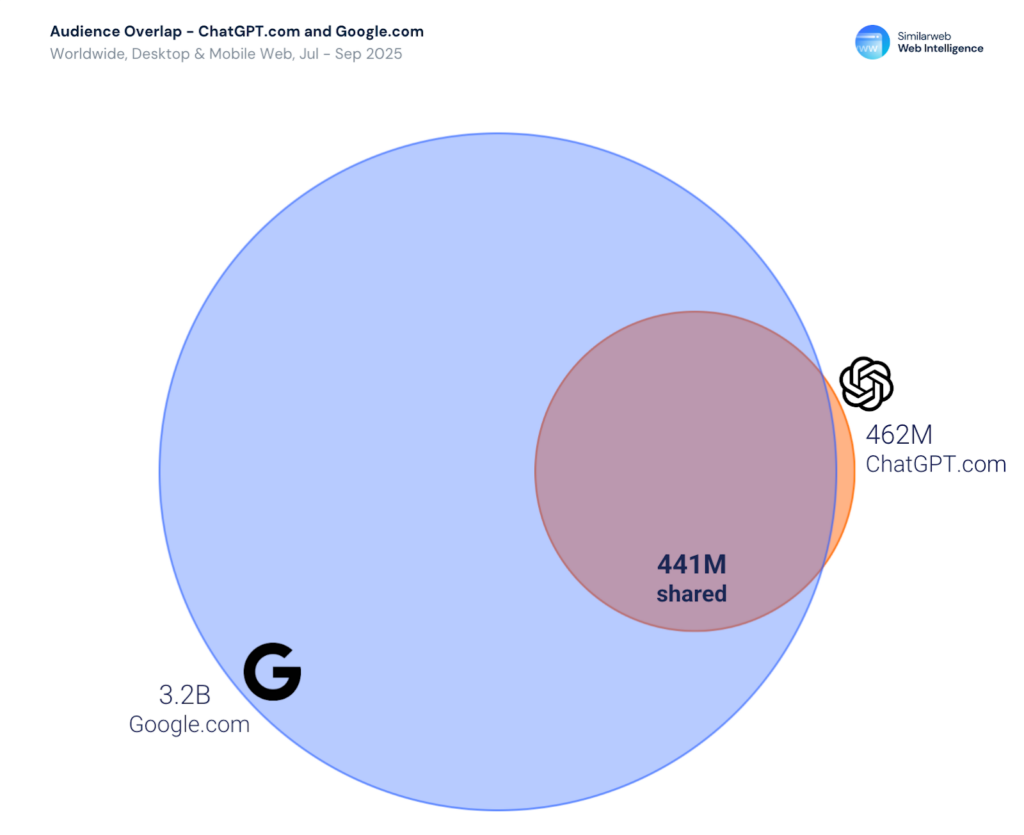
So if you’re not winning in traditional search, “AI SEO” won’t come to your rescue.
I like what Glen Chamisa said in this episode:
“It’s like jiu-jitsu. You can’t focus on advanced submissions if you don’t know how to defend yourself… The fundamentals come first. If your site isn’t structurally sound, trying to gain visibility in AI platforms doesn’t make sense.”
The Growthack team unpacks the origins of these terms, why they’ve gained traction, and what actually matters for brands seeking visibility in AI-driven search environments.
This discussion builds directly on Sarif’s in-depth research: AI SEO: Debunking 15 GEO, AEO & LLMO Tactics with Expert Opinions, which separates genuine change from repackaged fundamentals.
The Core Question: Is AI SEO Actually New?
The short answer: no.

As Sarif’s research shows, the techniques now being marketed as “AI SEO” closely mirror the foundations SEOs have relied on for years: information architecture, high-quality content, authority signals, and clear technical execution.
Even as interfaces change, the underlying systems still depend on retrieval, trust, and relevance. AI answers don’t emerge from nowhere — they are generated from content that can be crawled, understood, and trusted.
What SEO, AEO and GEO Actually Mean
One reason confusion persists is that these terms describe where visibility appears, not fundamentally different ranking systems.
- SEO: visibility in traditional search results (the familiar list of blue links).
- AEO: visibility in answer-style results within search (featured snippets, summaries, lists).
- GEO: visibility inside generative AI platforms, where your brand becomes part of the AI’s explanation or reasoning.
As noted in Sarif’s article, SEO professional Nathan Gotch has highlighted how AEO differs operationally from traditional SEO — particularly around tracking, personalisation and query fan-out — but even these differences build on long-standing principles rather than replacing them.
The Data: AI Search Is Complementary, Not Replacing Google
One of the most important findings referenced in the research comes from Similarweb.
95% of ChatGPT’s 462 million users also actively use Google. Rather than abandoning search engines, users are switching between platforms based on task complexity and intent.
This supports what we’re seeing in practice: AI tools complement search rather than replace it. If a brand struggles to perform in traditional search, it is unlikely to suddenly appear reliably in AI-generated answers.
Human Content Still Dominates AI Answers
Another key misconception addressed in the research is the belief that AI-generated content now dominates AI search.
According to a Graphite.io 2025 report:
- 86% of Google search results are still human-written
- 82% of content cited by ChatGPT and Perplexity is human-written
- Only 14–18% is AI-generated, depending on the platform
The implication is clear: original thinking, proprietary data and credible sources continue to outperform mass-produced content — in both traditional and AI-powered search environments.
Why “New” GEO Tactics Feel Familiar
Many GEO checklists promote ideas such as:
- Structured data and schema
- Clear heading hierarchies
- Short, scannable content blocks
- Internal linking
- Authoritative backlinks and mentions
None of these are new.
As Mark Williams-Cook explains in the research, LLMs process information by tokenising text and predicting relationships — not by following a brand-new ranking system. Schema and structure can support understanding, but they do not override relevance, trust, or authority.
The Ethical Line: Education vs Jargon
One recurring theme in both the research and the podcast discussion is ethics.
As AI search becomes harder to measure, there’s a temptation to sell complexity instead of clarity. But obscuring fundamentals with jargon doesn’t create long-term value for brands.
As Wil Reynolds put it in a widely shared discussion cited in the research:
“While companies may currently track 80% of their digital marketing and leave 20% untracked, the ratio might need to shift closer to 60:40 or 50:50 — but that doesn’t mean flying blind.”
The challenge isn’t abandoning measurement or fundamentals. It’s accepting that attribution is fragmenting while still investing in what actually drives demand.
So What Should Brands Focus On in 2026?
Both the research and the Beyond SEO discussion converge on the same conclusion:
- Fix technical foundations first
- Publish clear, original, human-led content
- Ensure consistent brand messaging across the web
- Earn third-party mentions and authority
- Be present where your customers already are (search, video, communities)
Or as the team summarised in the episode: if you’re not performing in traditional search, AI SEO won’t save you.
Final Thought
There is no secret GEO playbook.
AI search is changing how answers are presented, not the principles that decide which sources are trusted. Brands that invest in clarity, credibility, and fundamentals aren’t behind — they’re already prepared.
For the full research breakdown, examples, and expert commentary, read: AI SEO: Debunking 15 GEO, AEO & LLMO Tactics .
